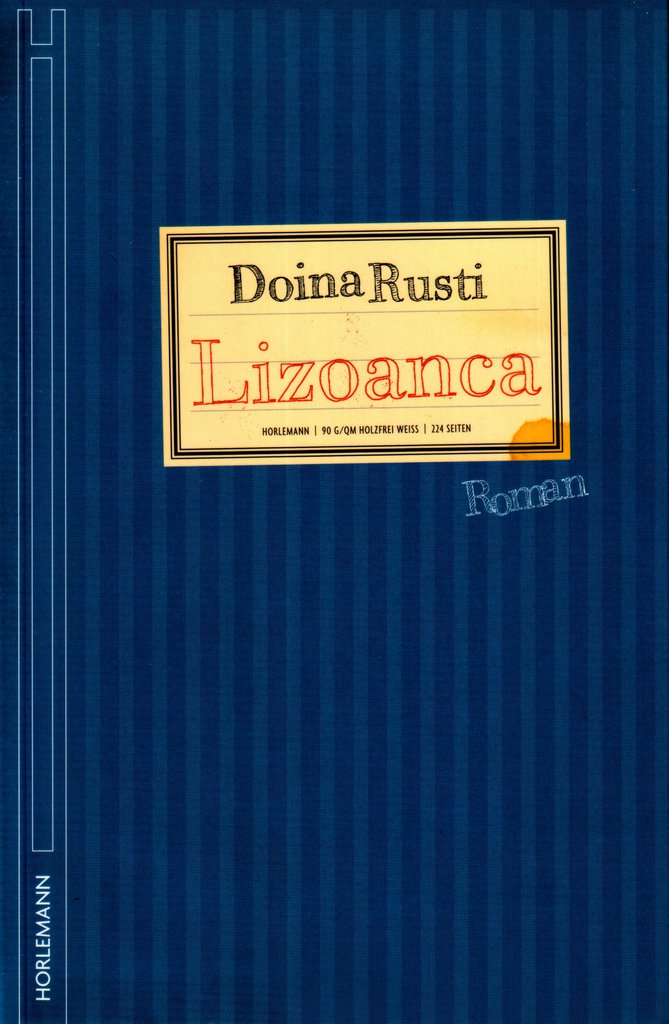

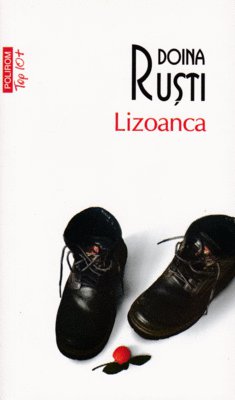
Lizoanca is a groundbreaking book written in a style refined and nuanced.
Martina Freier
Doina Ruști turns her novel into a fierce indictment of the corruption of the ethical values that should govern any developed society. Beyond its considerable documentary value, the novel reveals remarkable literary qualities.
Antonio J. Ubero, La Opinión, January 3, 2015
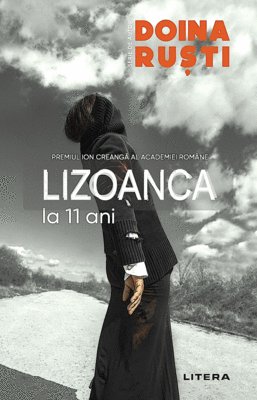
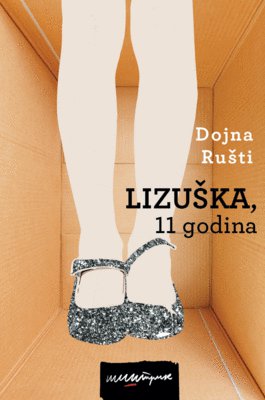
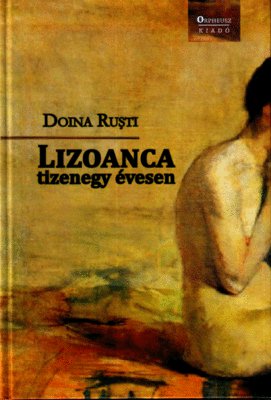
It includes the plot of the novel, an excerpt from the book, its editions and translations, the preface, interviews, meetings with readers, and other events dedicated to the novel, as well as a link to the Lizoanca Hub and the world of the book.
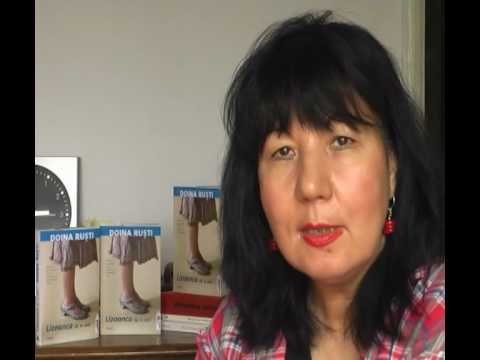
This page presents Lizoanca la 11 ani (Lizoanca at the Age of Eleven), the novel by Doina Ruști first published in 2009 and awarded the “Ion Creangă” Prize of the Romanian Academy.
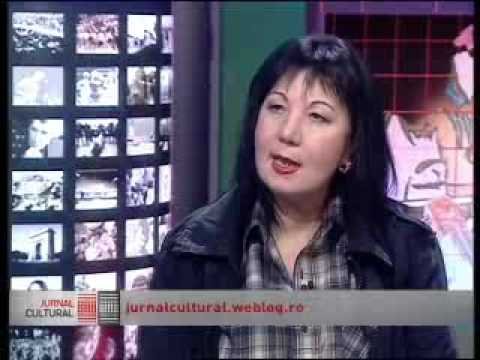
Journal of Research in Gender Studies (Gale): an interview with Doina Ruști about Lizoanca.
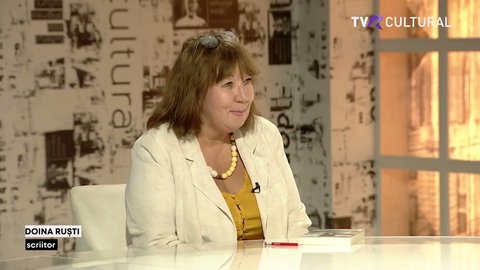
Lizoanca deals with a time span of four decades where in a small community all sorts of compromises occur, eventually leading up to disasters, and gaining their momentum as a little girl is accused of infesting the whole village with syphilis, eventually succeeding in coping with the atrocities the grown ups had been cooking up for her. I started off from a real case, which at that time enjoyed a wide media coverage, but I did not use the real facts; I fictionalized the story. What makes the core of the novel - and I believe that was precisely why the Romanian Academy awarded the novel – is the fact that people forgot their traditions, forgot the significance of a Christian monogram and that’s where everything starts from. I’m speaking about a monogram discovered by Vasile Parvan and dated 230 AD: “Sic tibi terra levis” (May the earth rest lightly on you). The real topic of the novel is the fact that people forgot their traditions.
Audio, VOXA
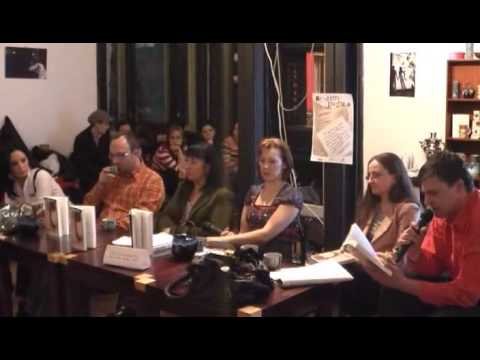
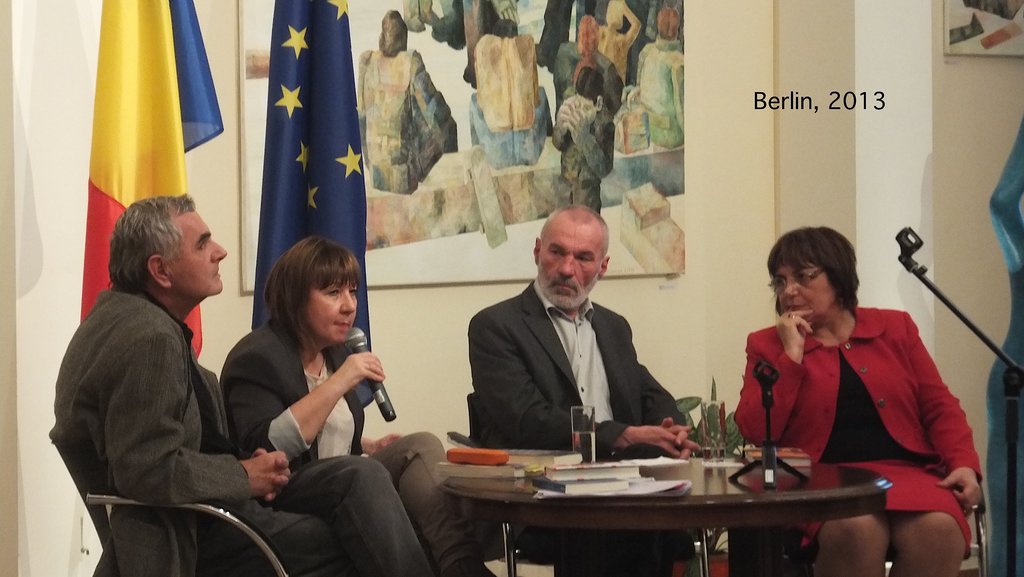
Berlin, 2013, Roman Embassy: Jan Cornelius, Doina Ruști, Georg Aesch, Gabriela Adameșteanu more
En esta línea, sorprende la capacidad de Doina Rusti a la hora de entrelazar la historia de Eliza (indagación en su personalidad infantil: valor de los zapatos, de los cruasa- nes...) con la historia de quienes la prostituyen (no olvidar las viejas cos- tumbres y tradiciones que sobre ellos revolotean). También sorprende la capacidad a la hora de reflotar, bajo una pátina amable, la hipocresía per- sonal y social o el tema de la violen- cia, impactante esta desde la primera frase, siempre visible en la novela y en permanente función erosiva.
In “Lizoanca, Wounds and Cruel Reality,” published in the Swedish Journal of Romanian Studies, Gabriela Chiciudean examines the novel as a work of childhood-trauma literature, focusing on the persistence of trauma across generations and its wider social implications. The study argues that Lizoanca transcends conventional realism and naturalism and offers a powerful portrayal of post-communist Romanian society.
Read the study* · PDF · DOI*