This mulberry tree truly exists, which is why I propose we place it on the map as well. You all know it: an ancient tree, propped up with scaffolding and patched with cement, yet stubbornly green despite its age, half in the garden of the Batiște Church and half out in the street. It is impossible not to have seen it.
I have written about it before—in The Checkered Shirt, in the short story The Goblin on Batiștei Street, and also in The Phanariot Manuscript. In all of them, I mention a pharmacist whose story lies somewhere in the underground layers of the legends surrounding this mulberry tree.
It is said that Brâncoveanu’s name is linked to this tree. It is also said that a local man, called Manciu, frightened by the ruler’s words—who had ordered him to climb down from the tree—cared for it so devotedly afterward that it became a mulberry with enchanted fruit. No one knows what he placed at its roots, nor what he used to anoint its leaves. Nor is it known what exactly gave rise to the superstition that the mulberries were inhabited by goblins. But long after Manciu’s death, stories about the tree continued to circulate through Bucharest.
Its fruit was avoided with a kind of reverence, though no one could say precisely why. Some claimed that if you ate from this sacred tree, you would suddenly shrink. Others said the people of Bucharest bowed before it because they were haunted by the memory of a defiant Venetian.
This Venetian—a man with his nose in the air, arrogant and obsessed with perfumes—was convinced that true miracles happened only in his laboratory. He even had the audacity to claim that his scented oils could change one’s appearance, hair color, even the eyes. He himself smelled like linden blossom.
Marco—that was the pharmacist’s name—had bought a house right next to the mulberry tree and often mocked the neighborhood’s myths. At first, he contented himself with crushing the fallen mulberries underfoot in a deliberately crude, derisive manner, ridiculing the power of the oldest tree in the city. He had noticed well enough that no one ate the fruit, no one broke its branches, and no foot approached it without trembling.
Marco was insolent, his blood hosting sharp ironies. To prove to the people of Bucharest that their mulberry tree was worth nothing, he bent down a branch blackened with fruit and stuffed himself with several good handfuls, until his teeth turned bluish.
Holding his back straight, he crossed the yard without looking around. From the way he puckered his lips, his satisfaction was evident. He opened the gate and vanished—just like steam disappearing under a lid. He dissolved among the white stones of the alley.
Behind him, the neighbors watched for nearly an hour.
For a while there was whispering at street corners; then some went to ask questions. But the pharmacist’s house seemed deserted—and remained so for months.
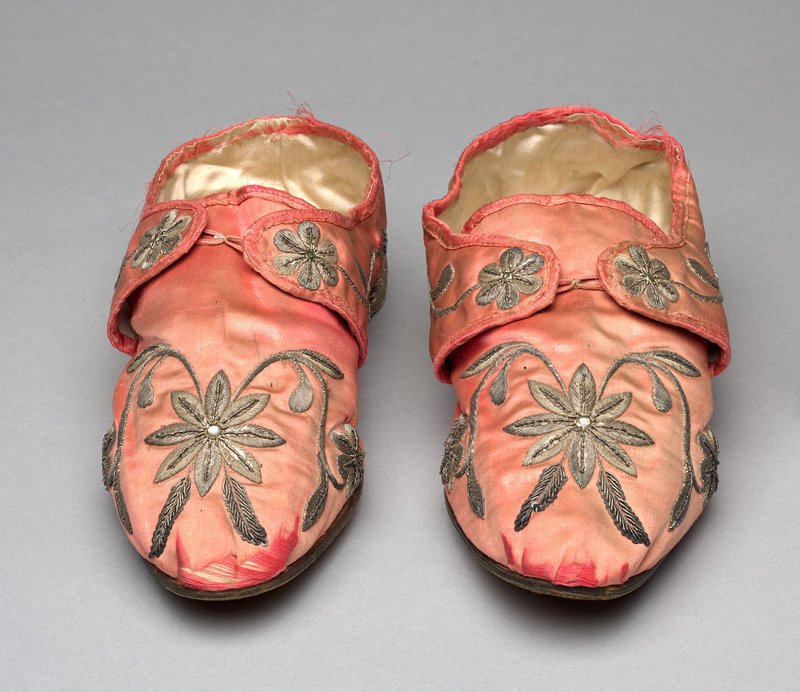
Only when the incident was almost forgotten did a servant tell the story: the pharmacist had shrunk, becoming smaller than an acacia leaf, even smaller than a May cherry, until someone in the household accidentally crushed him beneath the sole of a slipper.
So I invite you to place this mulberry tree from Batiște on the map as well, while it is still standing. And if you pass by, do not taste its fruit. They are old—and inhabited by goblins.