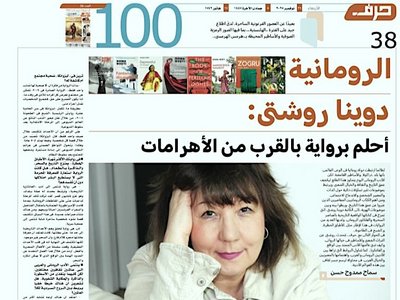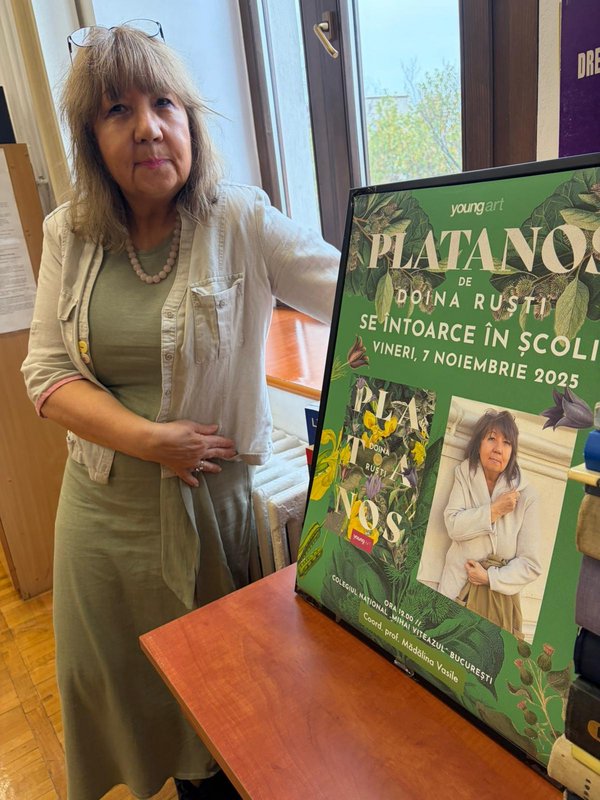
Gaudeamus 2025: December 6, 1 PM → video
Since the release of my novel Platanos, this autumn has been filled with meetings, conversations, and unexpected reunions. It all began on October 15, a Wednesday.
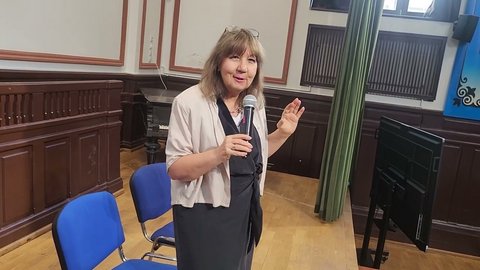
My first stop was Saint Sava National College in Bucharest — a place that always moves me, knowing it once bore the name of the city’s oldest higher school.
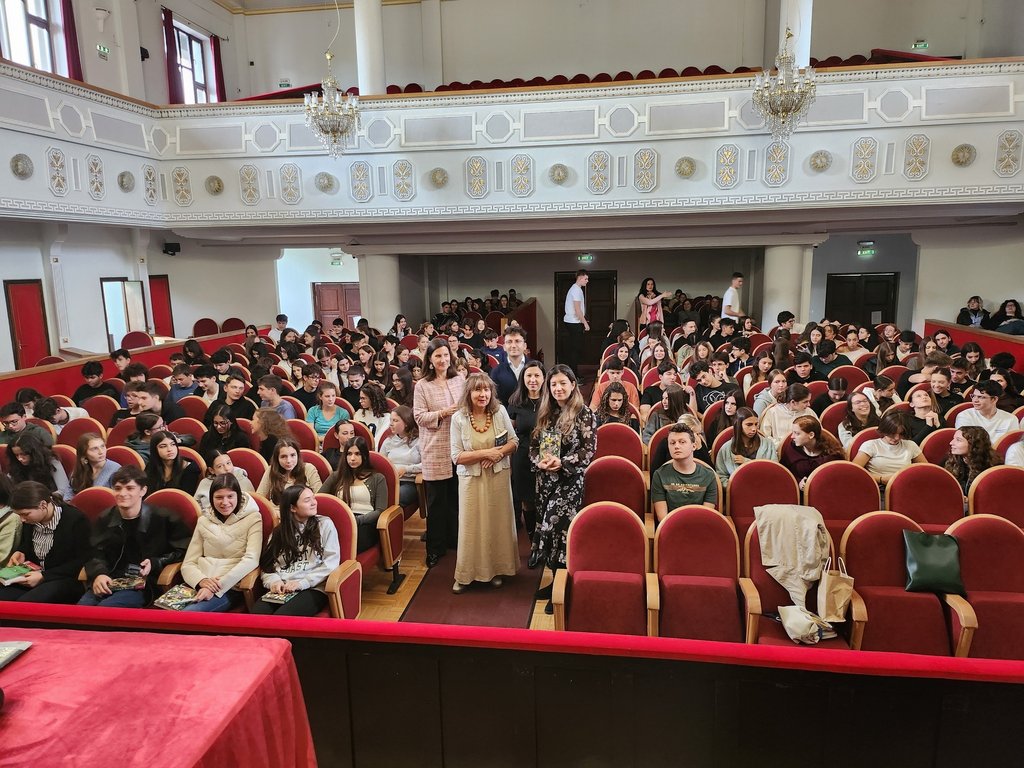
The day began with emotion and continued with questions about Platanos: how the story started, what students wrote ten years ago about the short piece from the school anthology, and how that early correspondence eventually led me to write the novel. Then we spoke about Ferenike.

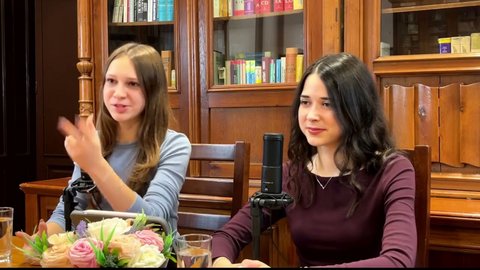
At the end, I spent an hour in the school’s film studio, recording a podcast you can watch here.
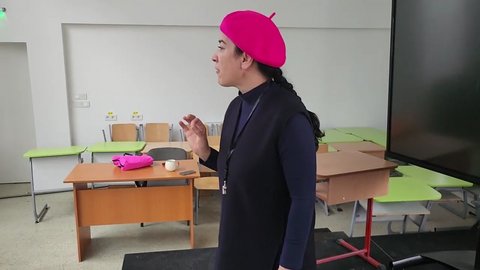
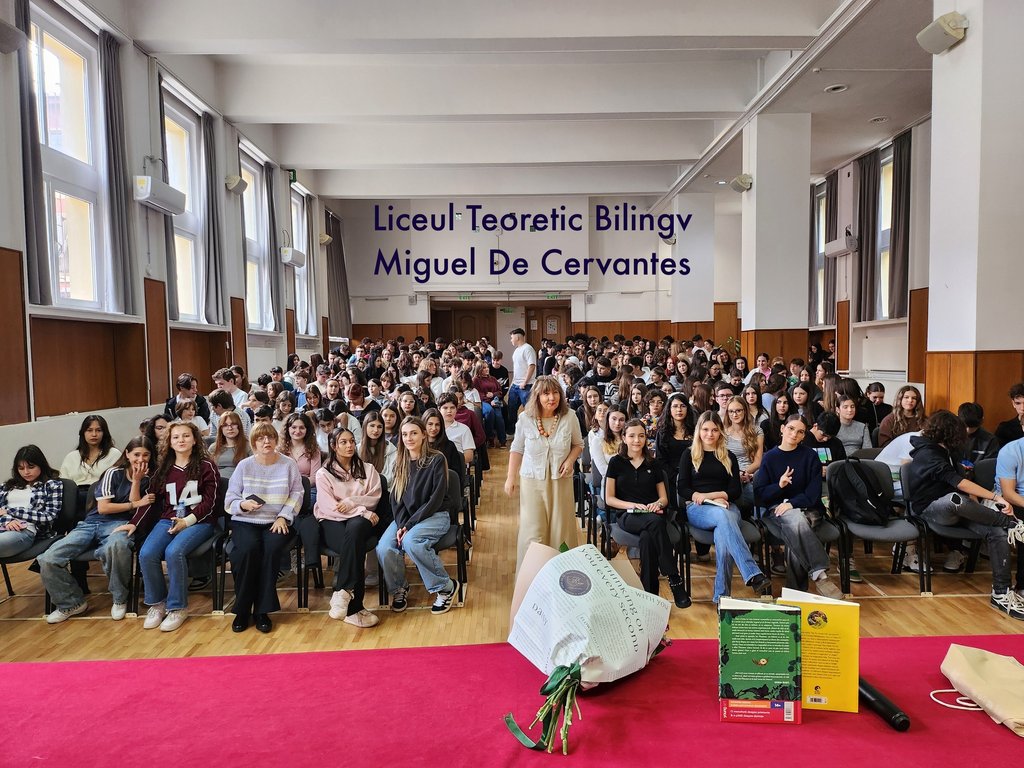
Then I took Platanos with me to Colegiul Cervantes — a sunny day, many children, all curious about both the beauty of the world and the secrets beneath the story.
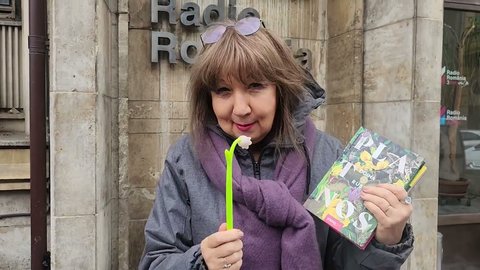
Between two journeys, I paused at Radio Cultural, in a conversation with Anca Mateescu for the GPS program.
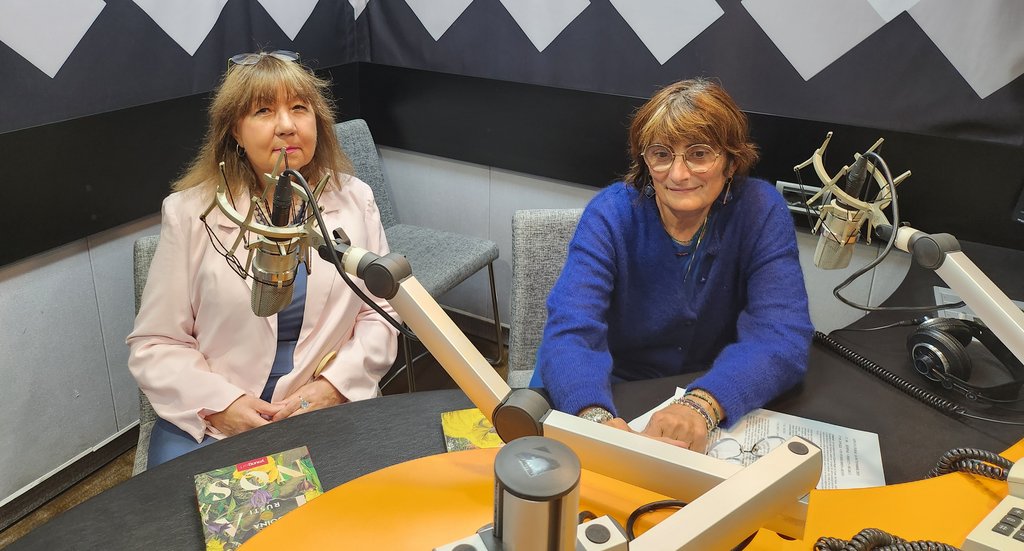
From there, I headed to Brașov, to Bookfest, carrying Ferenike in one hand and Platanos in the other. My discussion with Silvana Șerban — about literature, the writer’s destiny, translations, and my inevitable indignation about the downfall of the Romanian Cultural Institute — was preserved in the Radio Brașov archive. Since wrongdoing is never punished and thieves often end up admired, I grew irritated and changed the subject: we spoke about monsters and gods.
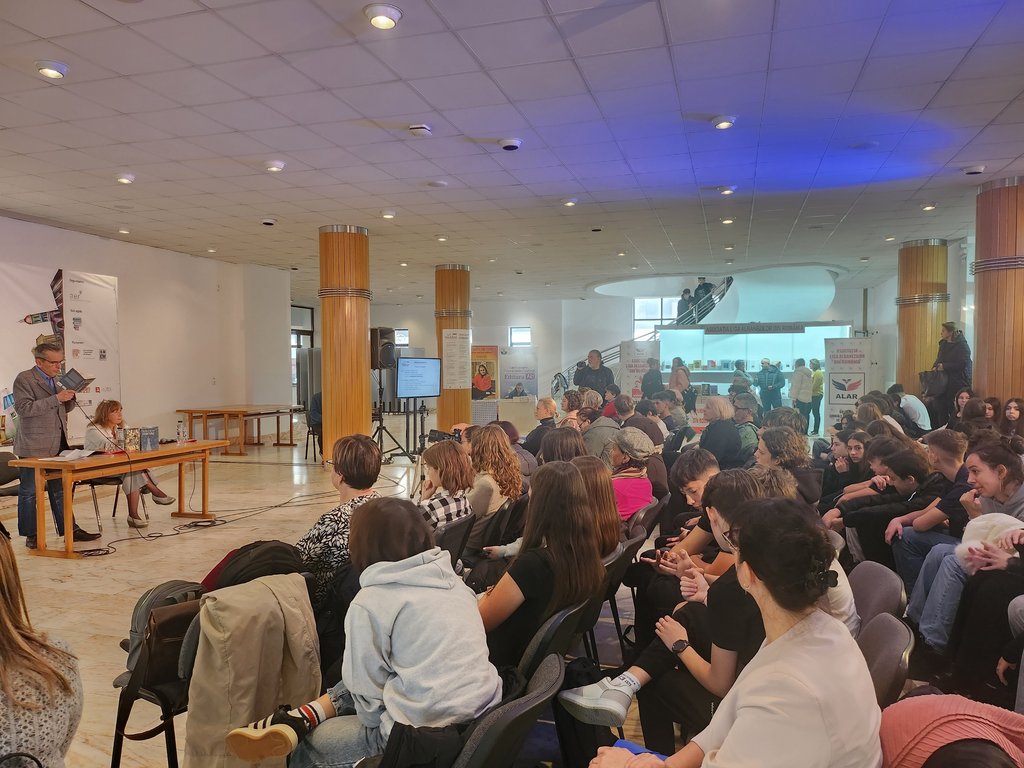
My interlocutor was my old friend, Virgil Borcan, professor of literature. Reunions always feel like a return to another time: friends, wonderful teachers, generations of students who love Sisinel perhaps even more than Platanos.
I was especially happy to see Virgil. Years ago I used to meet him in Brașov’s literary salons, speaking French, always with a Rousseau tucked under his arm. This time he spoke about the confessional thread in Ferenike, weaving into my thoughts the shadow of time gone by and the pleasure of words echoing through the city’s towers — along streets that feel unreal, typed long ago on a gray-ink typewriter from another century. I sense I will return to Brașov “soon enough.”
Back in Bucharest, the phones were ringing again — this time for Sisinel.
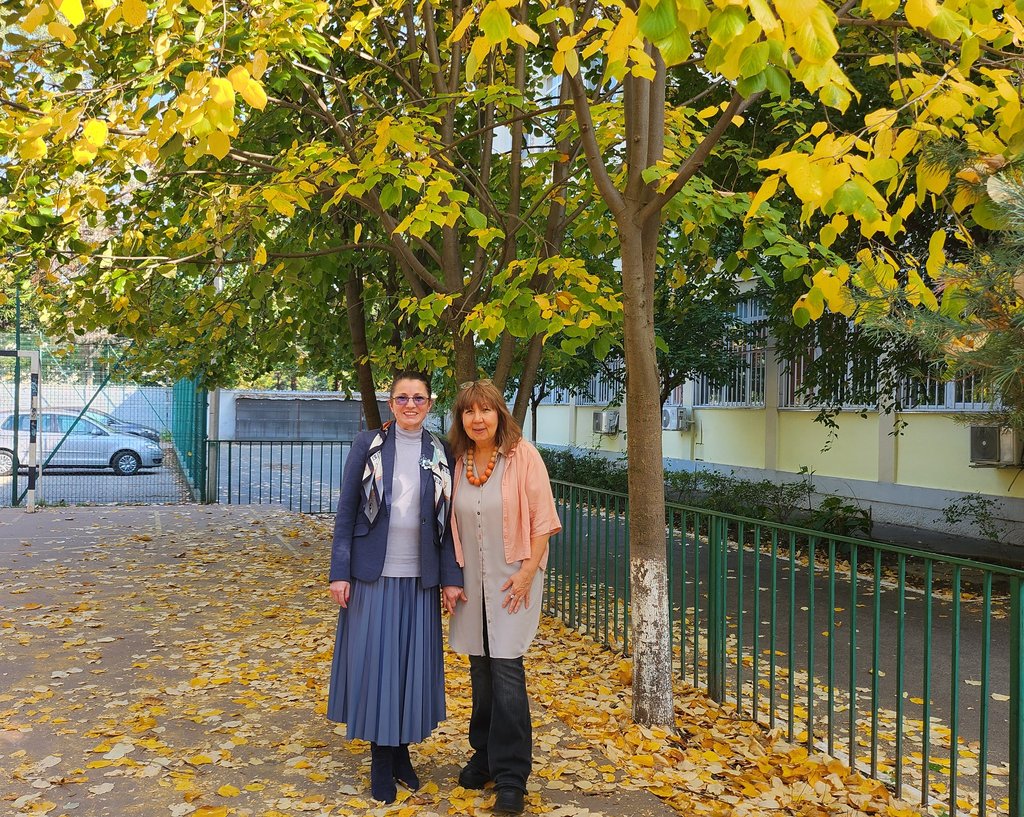
At Jean Monnet College, under golden leaves like in an Impressionist painting, students had come outside for Alternative Week. Enthusiasm, many questions, and books.
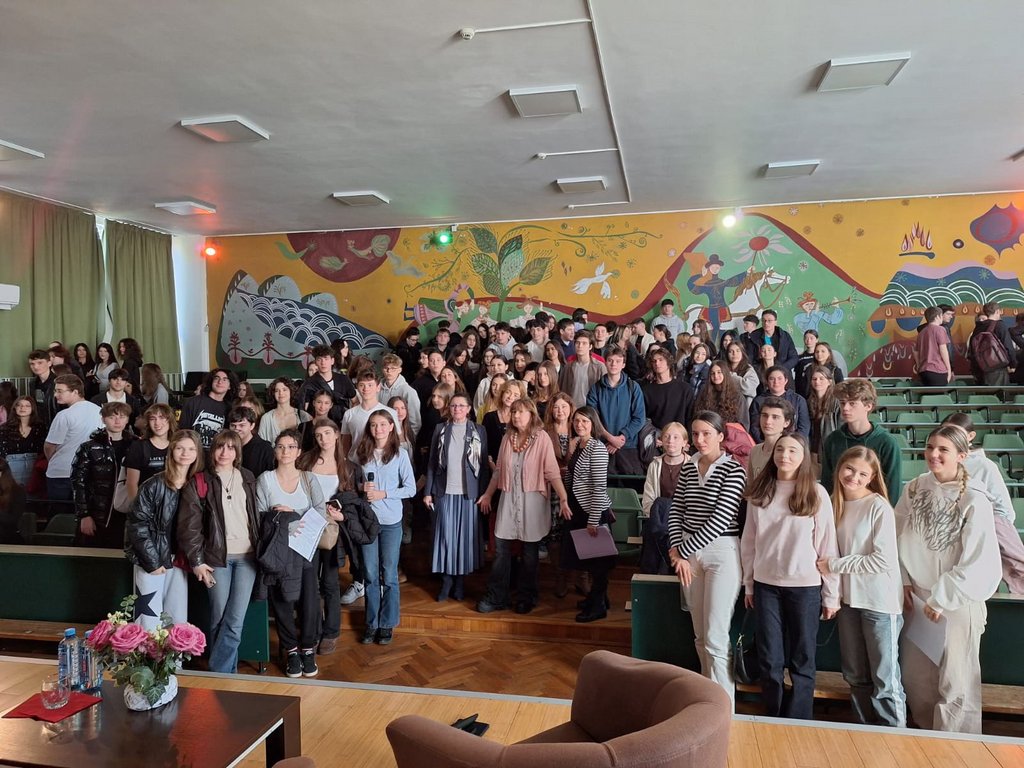
Platanos then hurried ahead to the German College — a school with exceptional teachers and sharp-minded students, and even a few parents who, because the world is small, had once been my own students. It was so emotional that we forgot to take photos. Here is the one at the end:
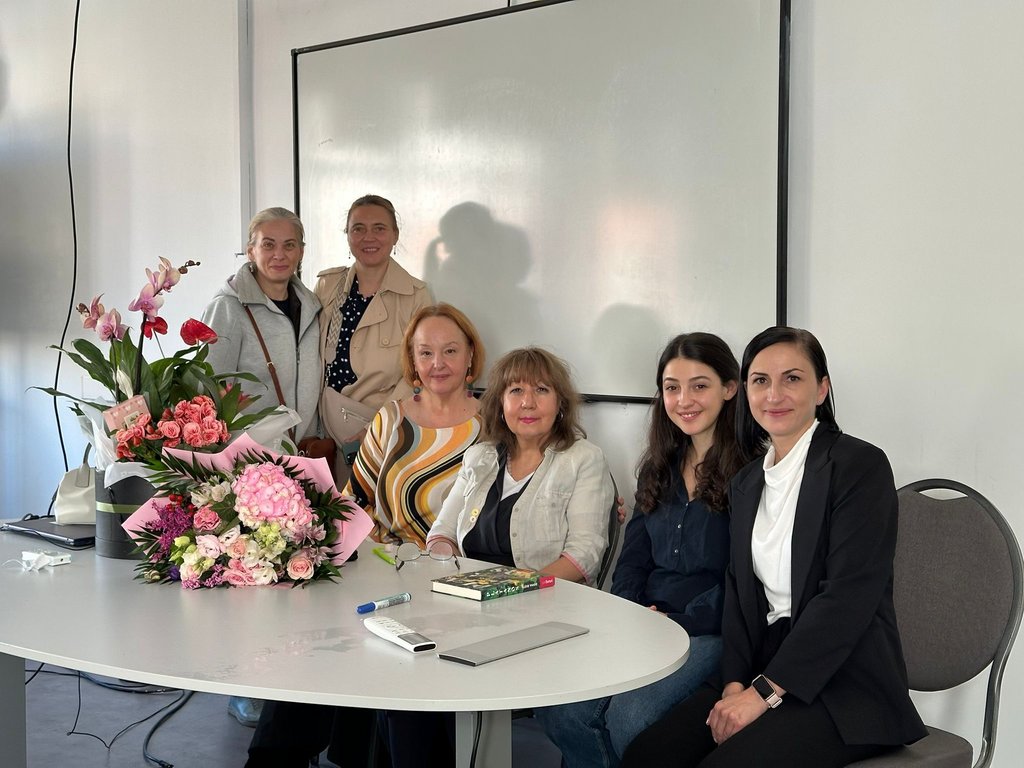
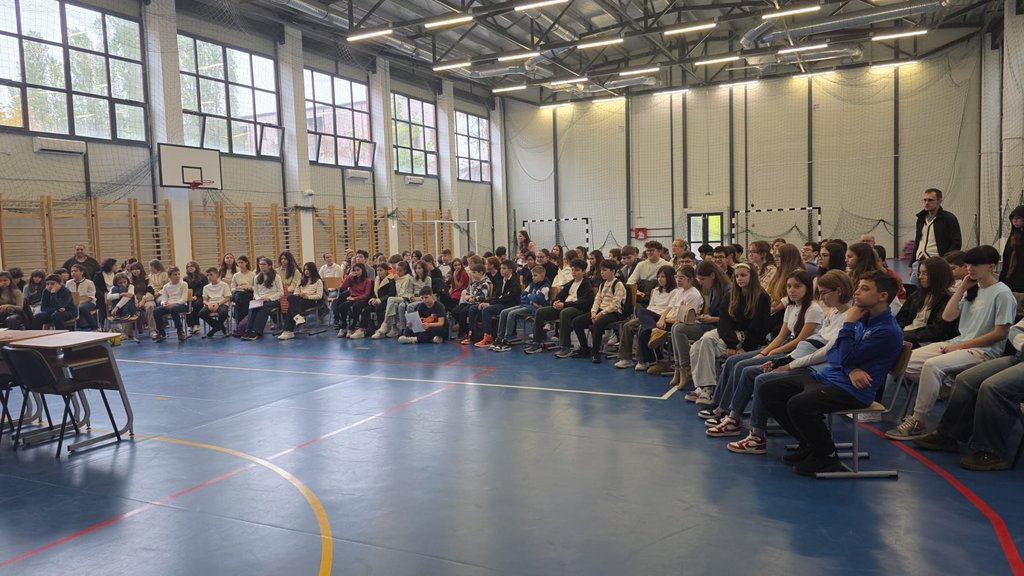
The next day, at Lorca School, the sports hall was full — also for Alternative Week.
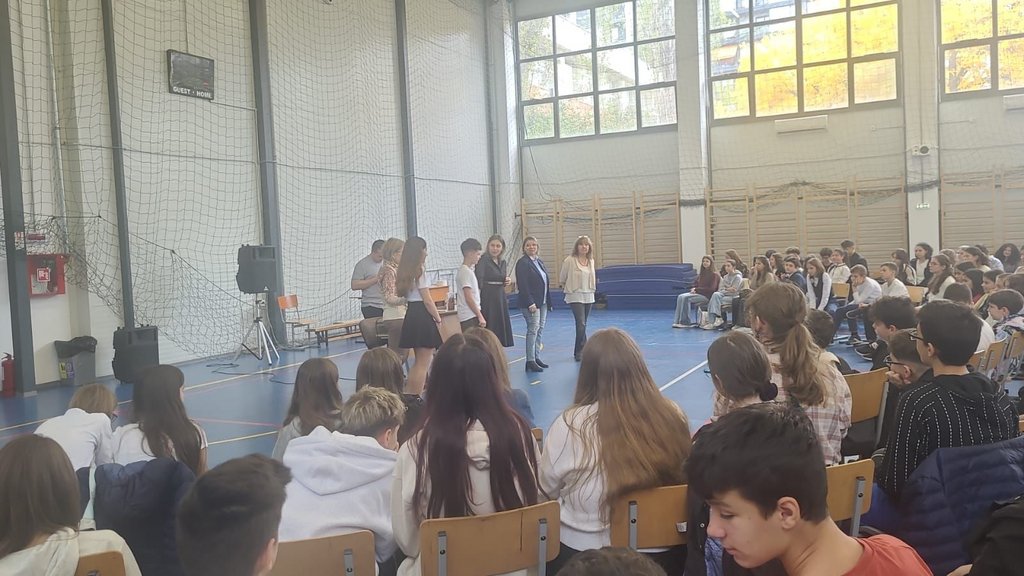
Sisinel immediately joined in, among the students who had begun sketching him. Good people, old friends, beautiful children.
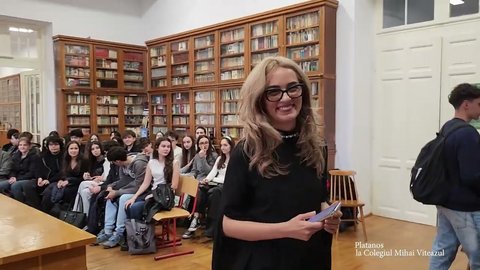
Then came Mihai Viteazul College, on their celebration day, inside the remarkable library that takes you straight into the nineteenth century.
The questions circled around the ending of the novel. I restrained myself from saying that revolutions are irreversible, like any metamorphosis. Anamorphoses never return to their initial state. Once transformation begins, the old world disappears.
“So then,” the students asked, “what is the role of the child born from the snows of a long-ago Christmas?”
The short answer: a reply to Les Neiges d’Antan.
I didn’t want to sadden them, so I ended with Sisinel’s dream — the dreamer, the keeper of values, the pure heart — in whose dream return is still possible.
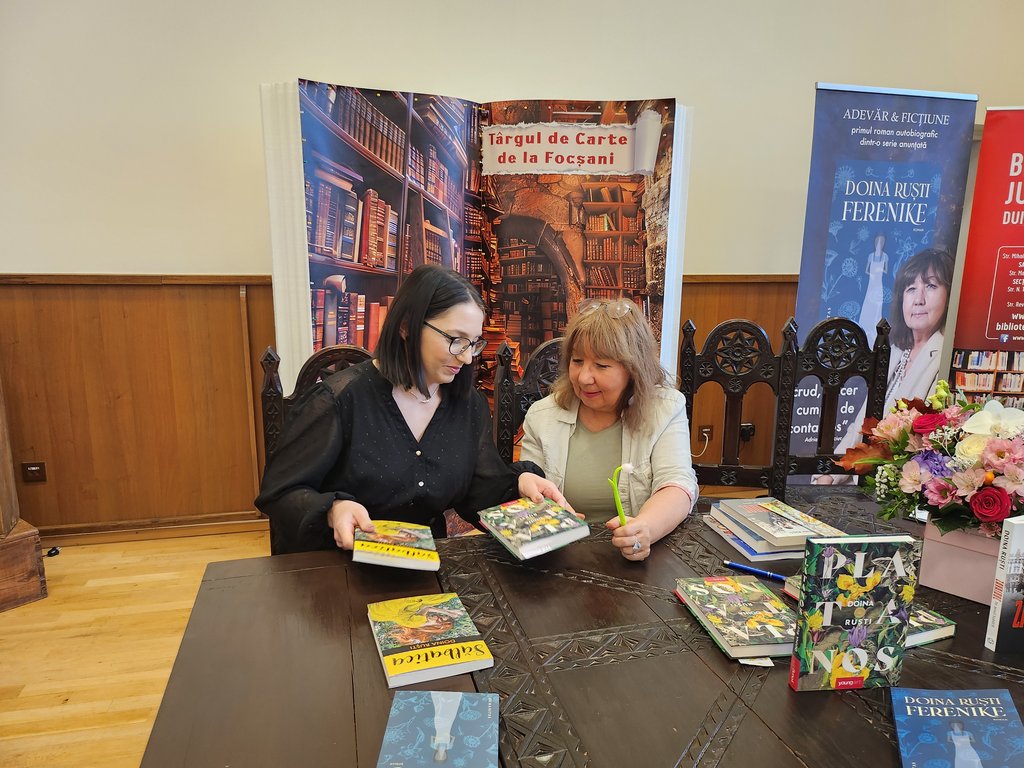
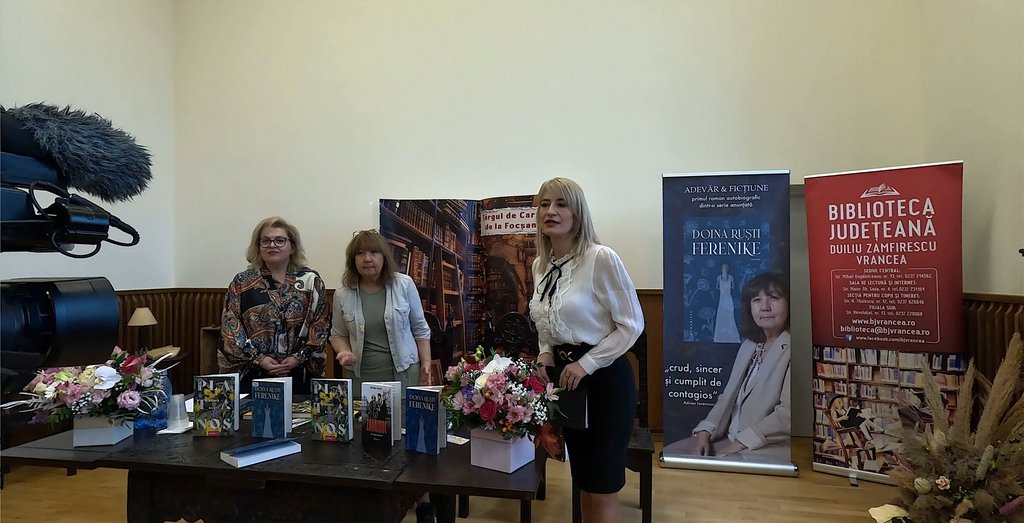
Next came Focșani, at the book fair, among volumes, baskets of grapes, and music. Many beautiful meetings, teachers, friends — and, of course, Platanos, Ferenike, and Zavaidoc in the Year of Love.
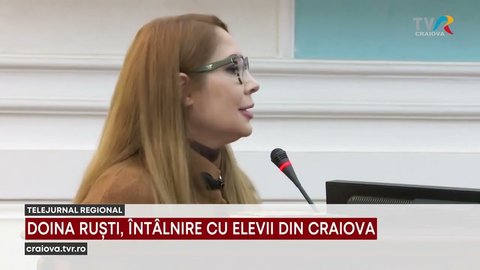
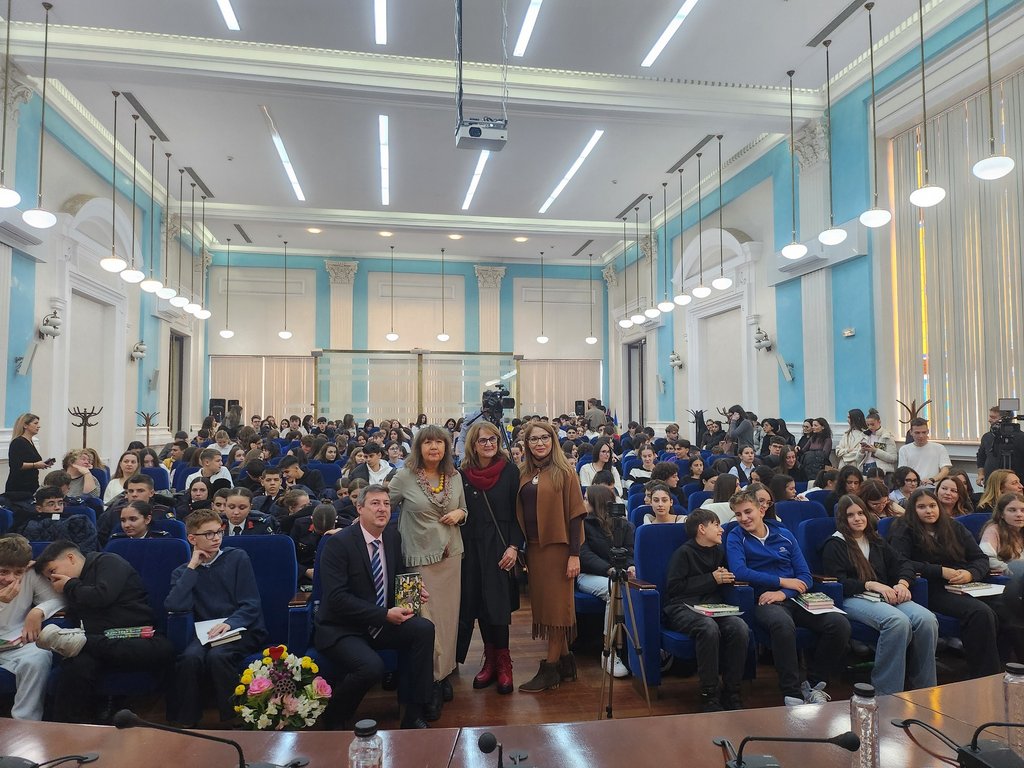
But the climax of the journey was Craiova. At the University I had two meetings, both with Platanos’s friends. “Overwhelmed” is too mild a word. Students from Carol brought thought-provoking questions; those from Frații Buzești came with metaphysical ones; those from Vladimirescu, pragmatic as always, with precise questions.
Greetings arrived from Segarcea and Băilești, and from Elena Farago, represented by Sisinel’s admirers. Teachers, inspectors, dear people close to my heart. Even a few algebraic equations floated through the room for a moment, reminding us of Sălbatica.
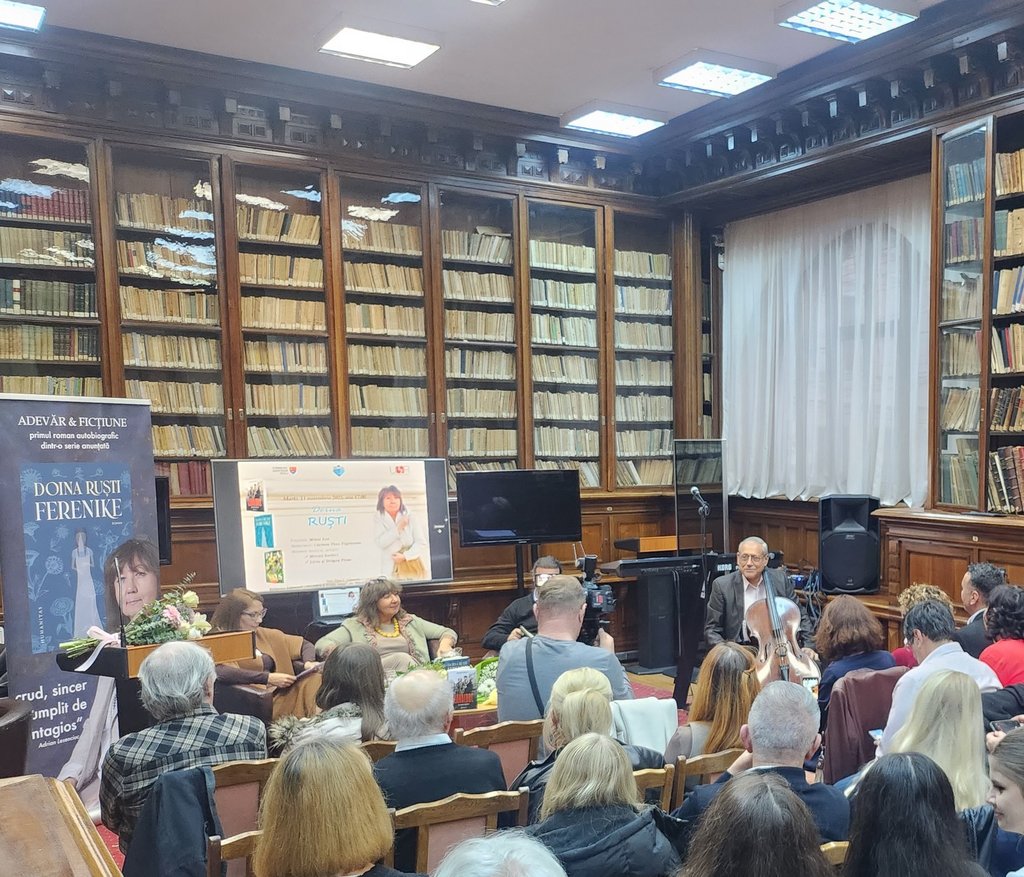
Around four o’clock, together with Theo, we ran to the Library — to maestro Suchici and Nalba of the cello, to Zavaidoc, to Mihai Ene, and to the Craiovan friends brought there by Ferenike. A beloved world.
Driving back to Bucharest at night, I felt as if forgotten words were rising from the Danube, climbing up the Jiu behind my car as it sped along the express road toward Pitești.
One of the videos is here:
YouTube → https://www.youtube.com/watch?v=QeJDP2iRTX8
On the way back, I also spoke on Radio România Internațional, on the “Pauza mare” program with Mirela Stoenescu — about the journey, about Ferenike, and about Platanos. You can listen to it here:
Aici → https://www.rri.ro/emisiuni-on-demand/pauza-mare-19-11-2025-2-id953910.html
At Coșbuc College, questions began with the cover — the purple flowers, the white scarf — and moved toward social and moral themes. Very bright and very romantic students: in their courtyard they planted sisinei in every color.
At Școala Centrală, as always, there were dreams, gardens from another century, and Delavrancea’s ghost at the windows. This is where the idea of Platanos first sprouted a few years ago. Those eighth-graders are now finishing high school — and the characters have grown along with them.
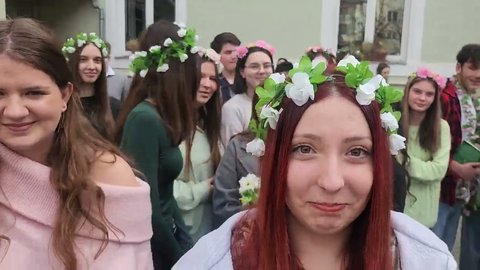
I stopped briefly in Sighișoara, where the garden of Eliade College was in bloom. And how could one speak about Platanos without flowers in one’s hair? Without ivy on the floors? Even the pastries were made with petals and filled with tiny love notes.
VIDEO
A short stop followed in Sibiu, only with Ferenike, with plans to return with Platanos in February.
There are still many places I haven’t reached yet: the thinking hats at Zinca Golescu, Pitești, Geanina’s maps, Vâlcea, and several corners of Bucharest.
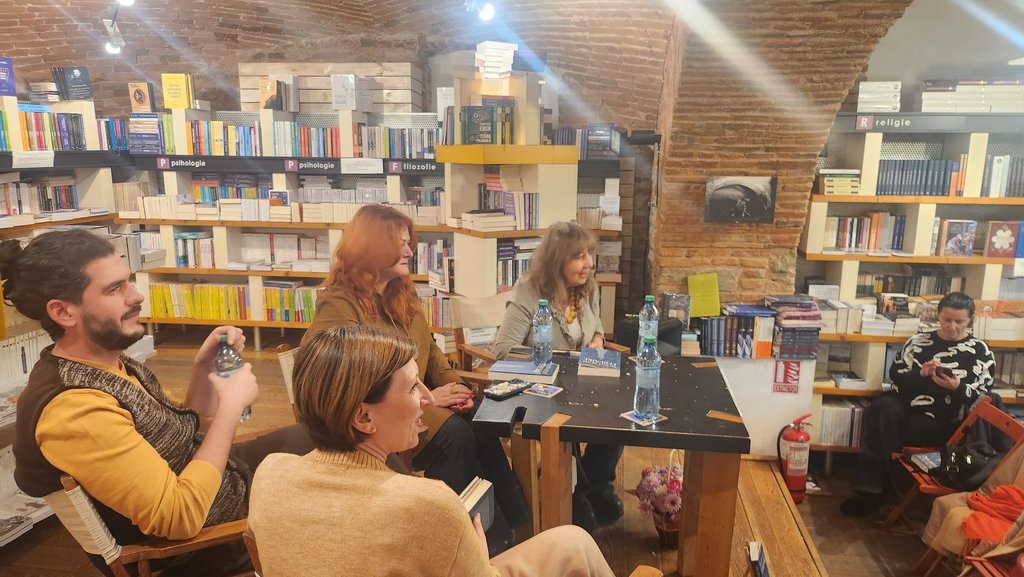
But we have one more meeting, on December 6, at Gaudeamus, at 1 PM, in the ART Publishing stand — which, as you know, looks like a medieval citadel with its gates wide open. A simple gathering, for hugs, photos, and signed hardcovers of Platanos.
Just you and me.