The novel The Book of Perilous Dishes (Mâța Vinerii, Polirom, 2017)
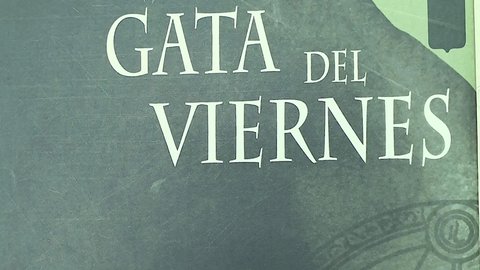
Doina Ruști, recently published in Spanish under the title La gata del viernes, was presented during two literary events held in Spain, in Madrid and Granada.
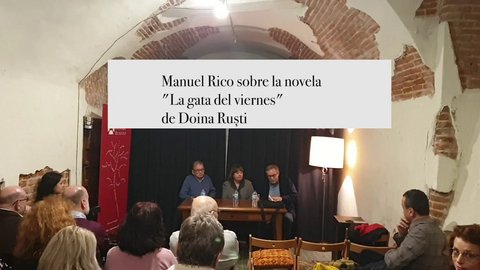
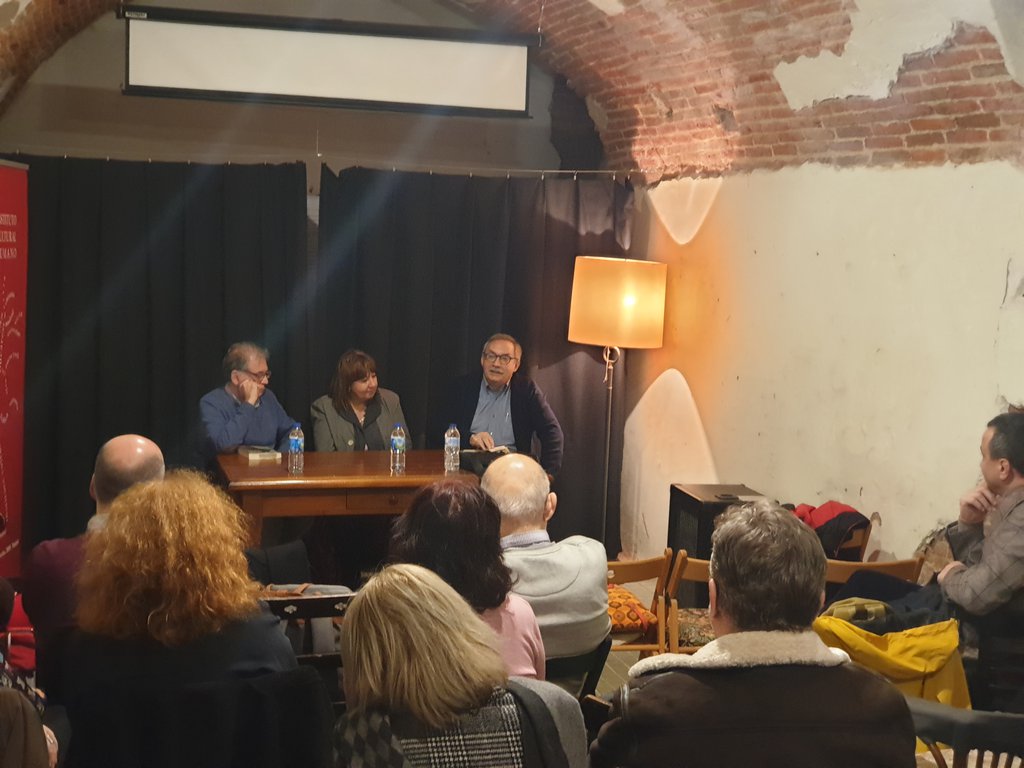
In Madrid, on November 27, a public discussion took place at Sin Tarima Libros. The novel was discussed by Manuel Rico, President of the Asociación Colegial de Escritores de España. The event was organized by the Romanian Cultural Institute in Madrid and brought together writers, translators, and readers interested in contemporary European literature.
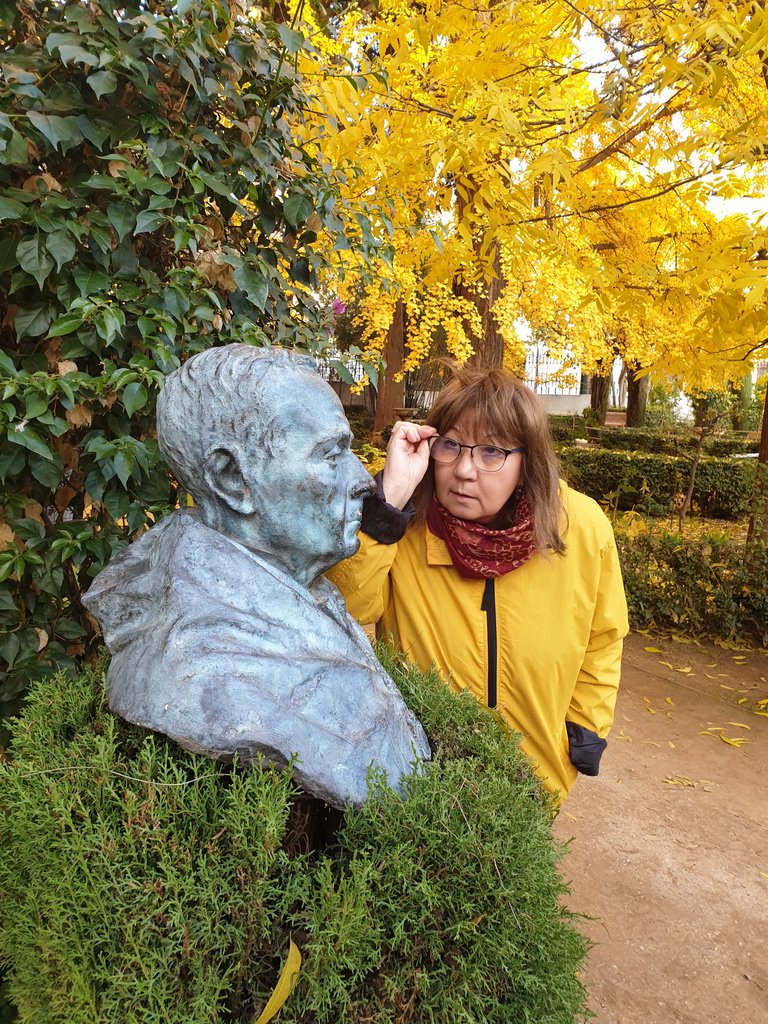
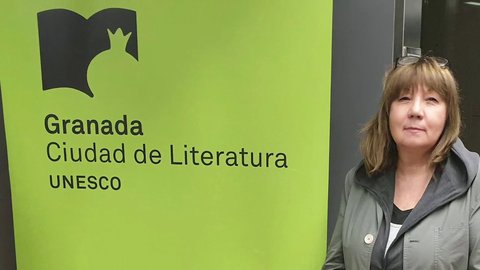
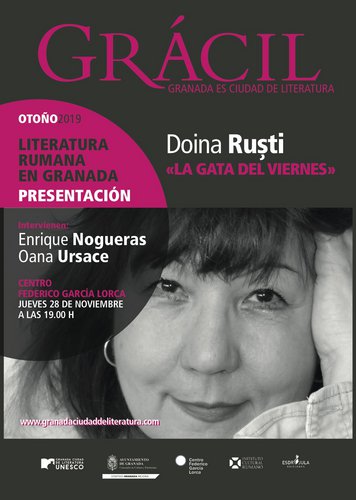
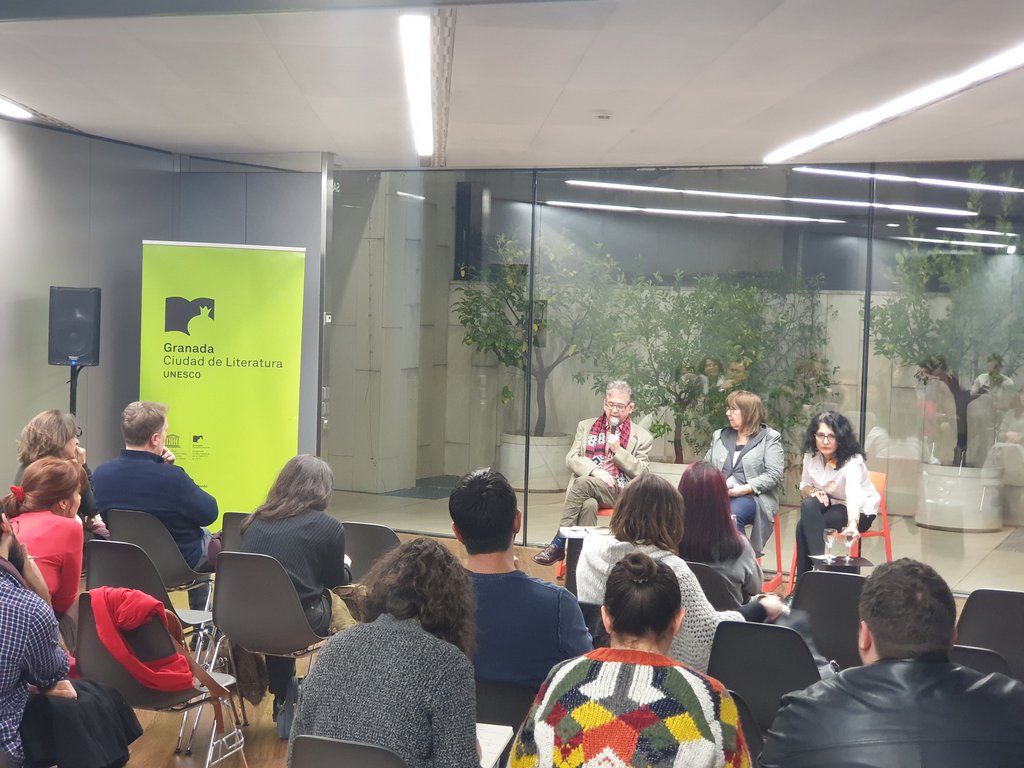
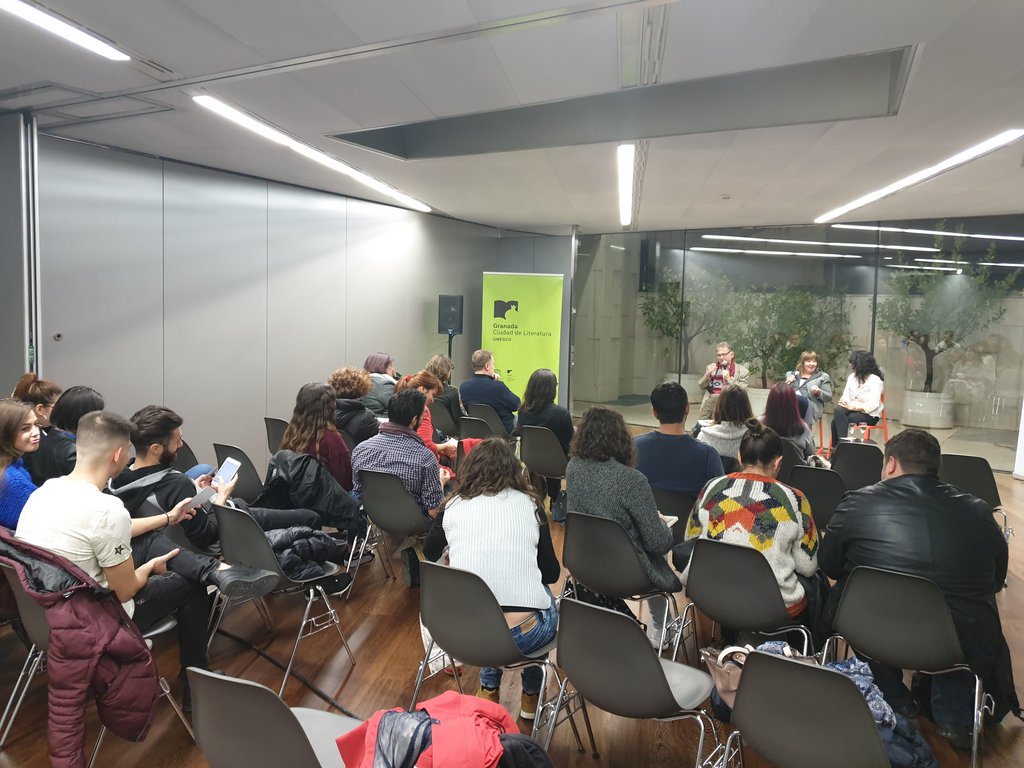
On November 28, the novel was also presented in Granada, at the Federico García Lorca Cultural Center, which hosts a UNESCO reading club. The event was attended by representatives of the local authorities, the publishing house Esdrújula Ediciones, as well as members of the cultural community and the general public.
Mâța Vinerii (The Friday Cat, Polirom, 2017) is a novel with fantastical elements, set in Bucharest in 1798, exploring the occult dimensions of Wallachian cuisine within a historical context shaped by slavery. The novel has been translated into several languages, and the Spanish edition was translated by Enrique Nogueras.
For full details on the tour and related events, see the official announcement from the Romanian Cultural Institute in Madrid.
https://www.icr.ro/madrid/turneu-literar-doina-rusti-in-spania/es
The Book of Perilous Dishes (Mâța Vinerii, Polirom, 2017) is a novel written in a fantastical register, centered on the secret world of Bucharest’s sorcerers’ kitchens. The story begins with a real historical incident: Caterina, a wealthy woman from Bucharest, owned a highly talented cook—enslaved, as the novel is set during the height of the slavery period. It so happened, however, that the Prince of Wallachia was a gourmand.
From this point on, the novel unfolds, revealing the occult dimensions of Wallachian cuisine in the year 1798.
The Book of Perilous Dishes has been published in English and translated into German, Hungarian, and Spanish, and partially into Chinese. The English edition was released by Neem Tree Press (UK). The Spanish edition, translated by Enrique Nogueras, was published by Esdrújula Ediciones.
“The Book of Perilous Dishes has all the ingredients of a captivating story: an abundance of imagination, a narrative thread woven with the confident hand of a storyteller who knows how to entice, and an atmosphere so powerful that it stays with you long after you close the book.”
— Bianca Burța-Cernat, Observator cultural“Doina Ruști’s writing possesses exceptional literary qualities.”
— Antonio J. Ubero, La Opinión de Murcia“What is striking is Doina Ruști’s ability to portray, beneath the mask of normality, personal and social hypocrisy as well as the problem of violence—elements that play a clearly erosive role throughout the novel.”
— Ramón Acín, Turia“Doina Ruști’s novels possess substance, mystery, and unexpected endings.”
— Stato Quotidiano